Halo · benchtop live-cell imager
Watch a cell for fourteen days.Without hurting it.
Halo images four channels inside your incubator at a twelfth of the usual light dose, so the culture lives long enough to show you what it actually does.
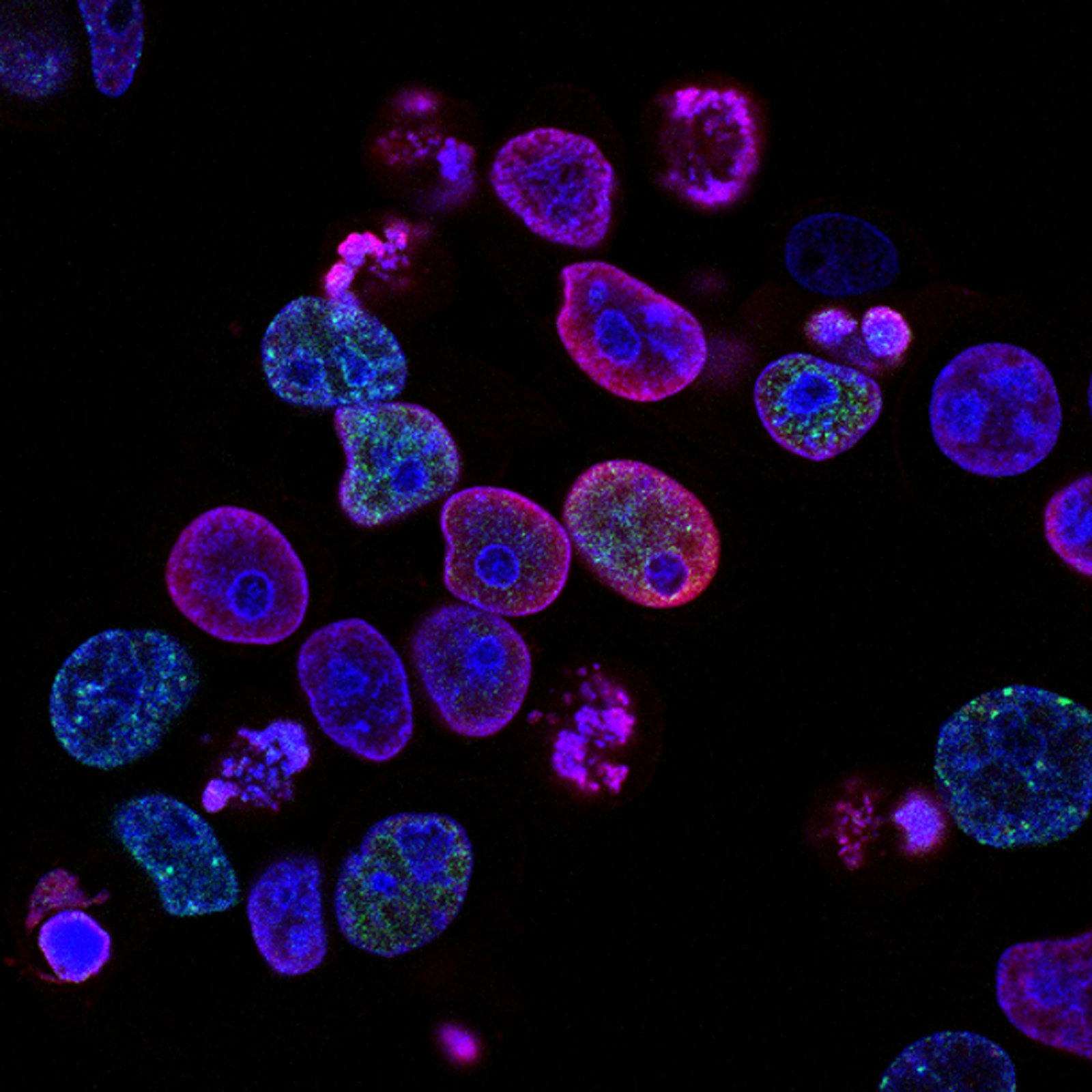
- Light per frame
- 1/12of a standard widefield dose
- Lateral resolution
- 0.6 µm20× air, phase + 3 fluorescence
- Runs inside
- Your incubator37 °C, 5 % CO₂, 95 % RH rated
- Unattended
- 14 days96 wells, every 20 minutes
01 — Why
Most imaging is an autopsy. The light that shows you a cell is the same light that ends it. We built Halo to look less, and see more.
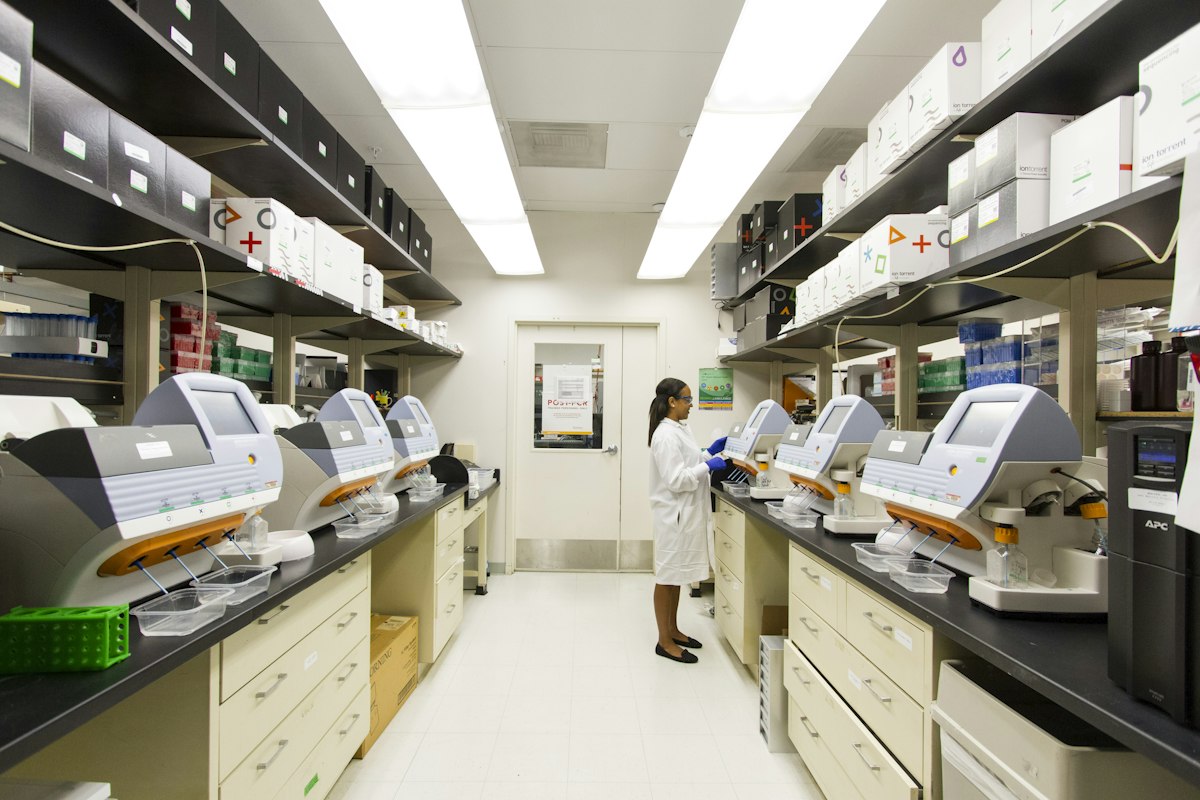
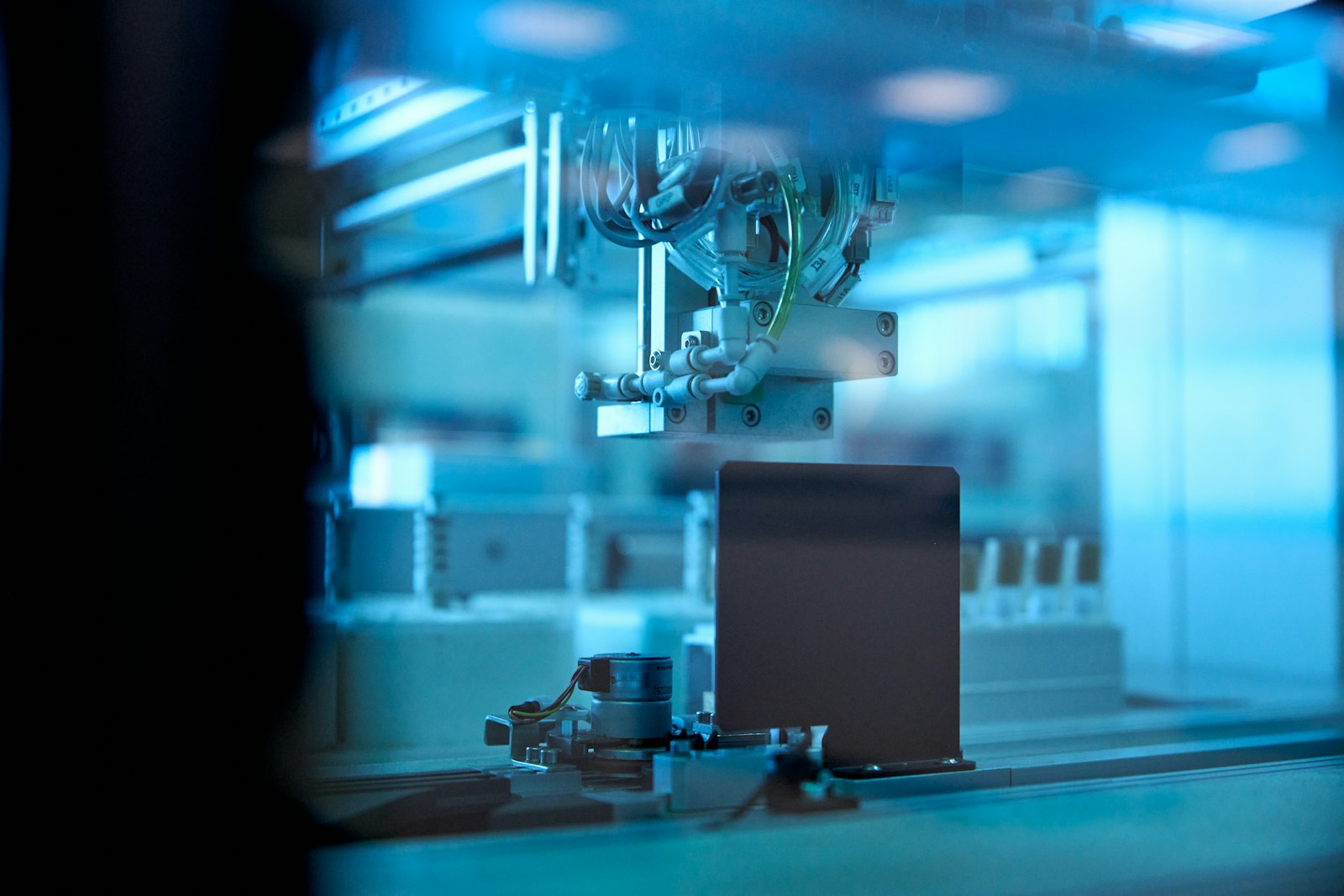 Fig. 1 — reference bench, not the Halo enclosure
02 — The instrument
One drawer. Four channels. No darkroom.
- 0112× less dose
Pulsed LED optics
Each channel fires for exactly the exposure, never longer. The camera, not the specimen, does the waiting.
- 02±0.4 µm drift
Phase-first autofocus
Focus is found in label-free phase light, so fluorophores are only ever excited for a frame that counts.
- 0326 × 31 cm
Lives in the incubator
A 26 cm footprint slides onto an incubator shelf. Cables leave through the door gasket; the culture never moves.
03 — Fourteen days
The same cells, the same schedule. Different light.
- Halo dose
- 93 %
- Standard dose
- 4 %
- Day 003,000 cells per well, 96 wells. Four channels every 20 minutes.
- Day 04At a standard widefield dose the control plate stops dividing. Halo wells keep going.
- Day 08First wells reach confluence. Autofocus has held within 0.4 µm since seeding.
- Day 1494 % confluent. 1,008 frames per channel per well, and nothing in the dish noticed.
04 — Workflow
Seed it. Slide it in. Go home.
Halo was designed around the hours you are not in the lab. Setup is a plate and a protocol; everything after that is the instrument's job.
- Step 1
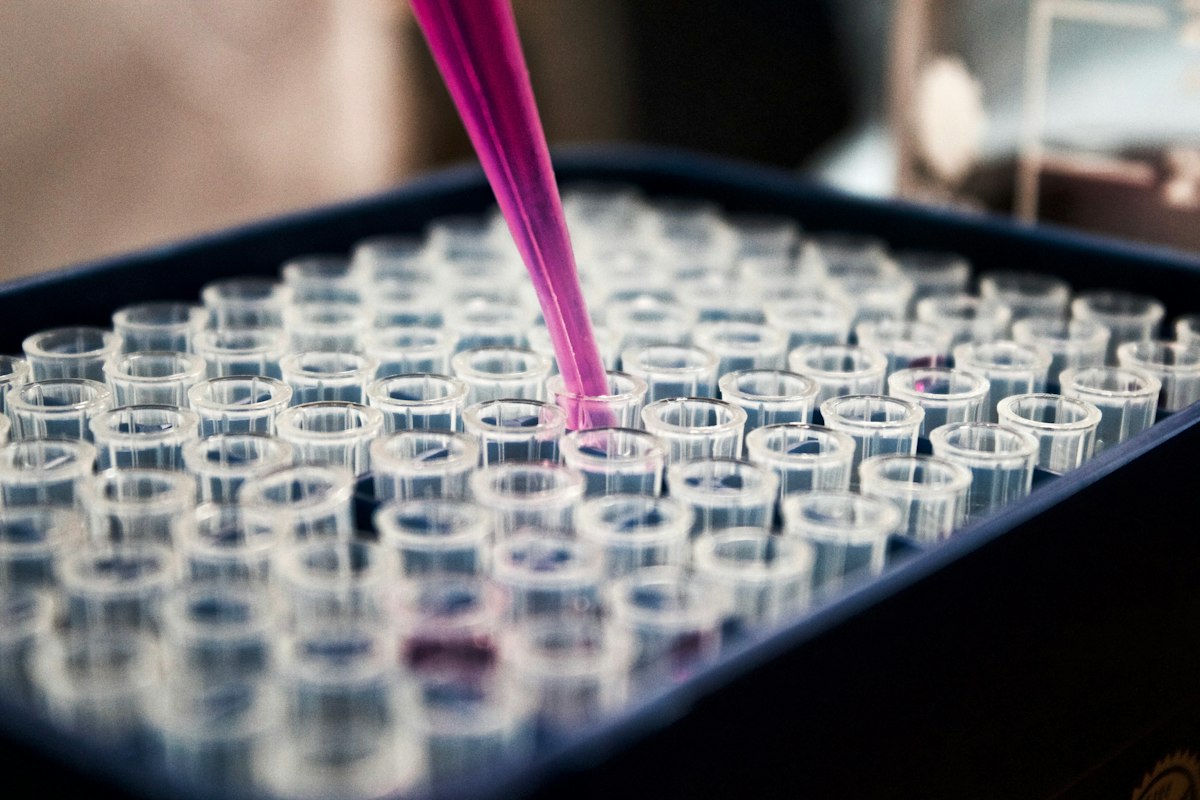
Seed a standard plate
Any SBS-format 6 to 384-well plate, glass or polymer bottom. No proprietary consumables, ever.
- Step 2
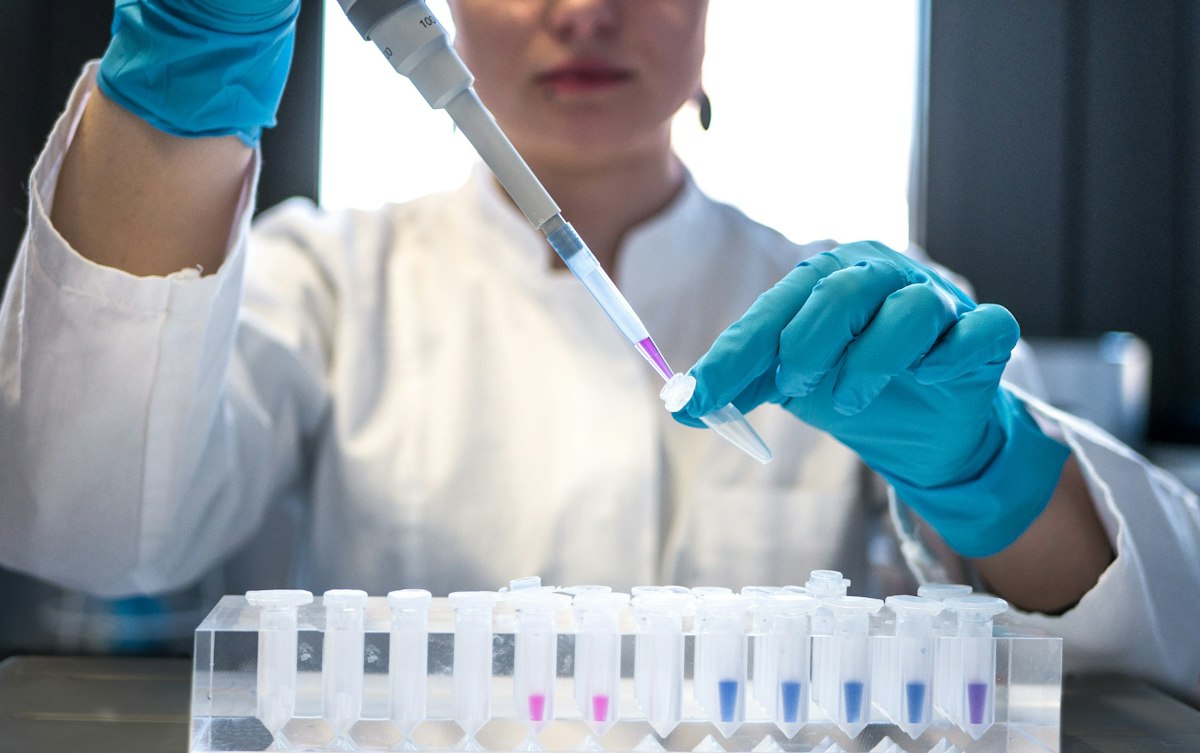
Pick a protocol
Choose channels and an interval. Halo shows the projected light budget per well before you commit.
- Step 3
Leave
Frames stream to your server as OME-TIFF. A message reaches you only if focus, temperature or CO₂ drifts.
05 — Channels
Three colours and a light that costs nothing.
- 405Nuclear405 / 450 nmHoechst, DAPI, NucBlue. Counts and cell-cycle staging.
- 488Green488 / 525 nmGFP, GCaMP, CellEvent caspase. Reporters and calcium.
- 561Membrane561 / 610 nmmCherry, CellMask Orange. Shape, contact, division.
- PHPhaseWhite LED, ZernikeLabel-free confluence and morphology, at almost no dose.
06 — Loan unit
Put Halo on your bench for one experiment.
We ship a loan unit, install it with you in an afternoon, and collect it after your time-lapse ends — not before. No purchase order needed to start.
- Loans run 3 to 21 days
- Shipped calibrated, plate adapters included
- Your images stay on your network